How does wine solve a problem like Gen Z?

How do you recruit wine drinkers in a declining category…particularly those pesky Gen Zs?
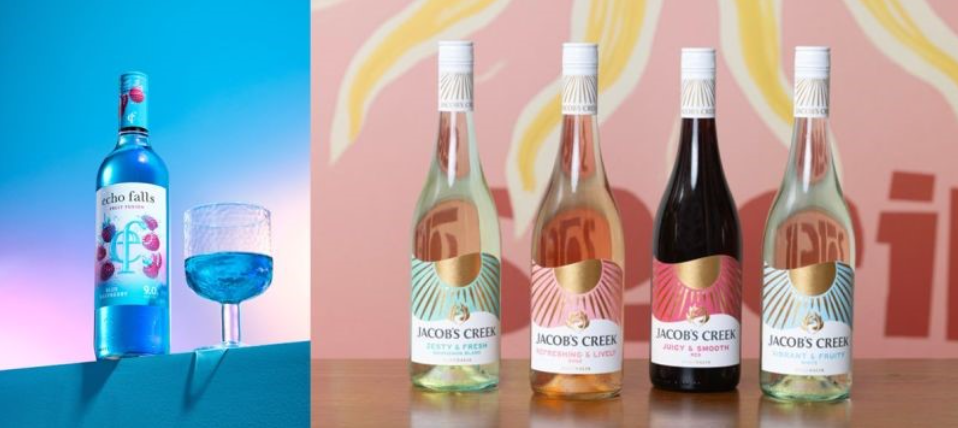
In the past few weeks, we have seen two big UK wine launches, both core legacy brands that I have a soft spot for, having worked with them both regularly over the years.
Both seem to be trying to crack the same nut: how to bring consumers into the category. Now, I am well known for my rather strong views on all things marketing in wine. So, I did what any responsible marketing strategist should do; keep quiet and talk to some 20 something Gen Z female drinkers in the UK to get proper feedback.
Here’s what they said.
Echo Falls Blue Raspberry
The initial (fairly brutal) feedback:
‘It’s like alcohol juice pretending to be wine.’
‘The childish part of your brain goes ‘oh blue juice’
So far, so consistent with my old lady prejudices.
Then things took an interesting turn in terms of what I learnt.
1. Distinctive & appealing design ‘I do like the design. The contrasting colours are quite cool because it draws your eye in a very fun way.’ So can work for younger drinkers as its bold, visible, youthful & distinctive
2. Temperature matters ‘By the time you buy drinks and get to the party or the park, it will probably be room temperature.’ ‘A tepid VK (coloured RTD) will still taste as good as a cold one. But as this is sort of wine, I’m guessing it wouldn’t taste good at room temperature.’ The competitive set for these drinkers is VK or WKD. They need to taste good when they get to the park 3 hours later.
3. Colour = sugar ‘The more colour a drink has the more sugar I think it has.’ ‘It’s fine for a drink to be full of sugar if you are 18 years old, but now I’m 23, that’s not fine.’
Their conclusion: An entry level drink competing with RTD, but does not support a progression to wine.
Jacob’s Creek
‘Oh its gorgeous. Love it.’
Which was the consistent view, whether or not they were previously aware of the brand.
Choosing wine for these drinkers is first and foremost about removing risk because ‘A lot of young people don’t know what wine we like the taste of.’
So why does this one work?
1. Flavour language over wine language ‘The words for how they taste is bigger than the words for the grape — that’s good marketing.' ‘If I’m choosing between 2 bottles and one says so clearly ‘zesty and fresh’ as this does, I’m so going to choose that.’ Why? It reduces the uncertainty.
2. Varietals do matter for some ‘They are missing a trick not telling us the grapes and just calling it red or white...although that doesn’t matter on rosé, because it's just rosé.’ Why? The grapes help them learn what they like.
My personal evaluation was wrong, illustrating the gap between wine marketers’ views (like mine) and the real views, of real people, who really do buy our products.